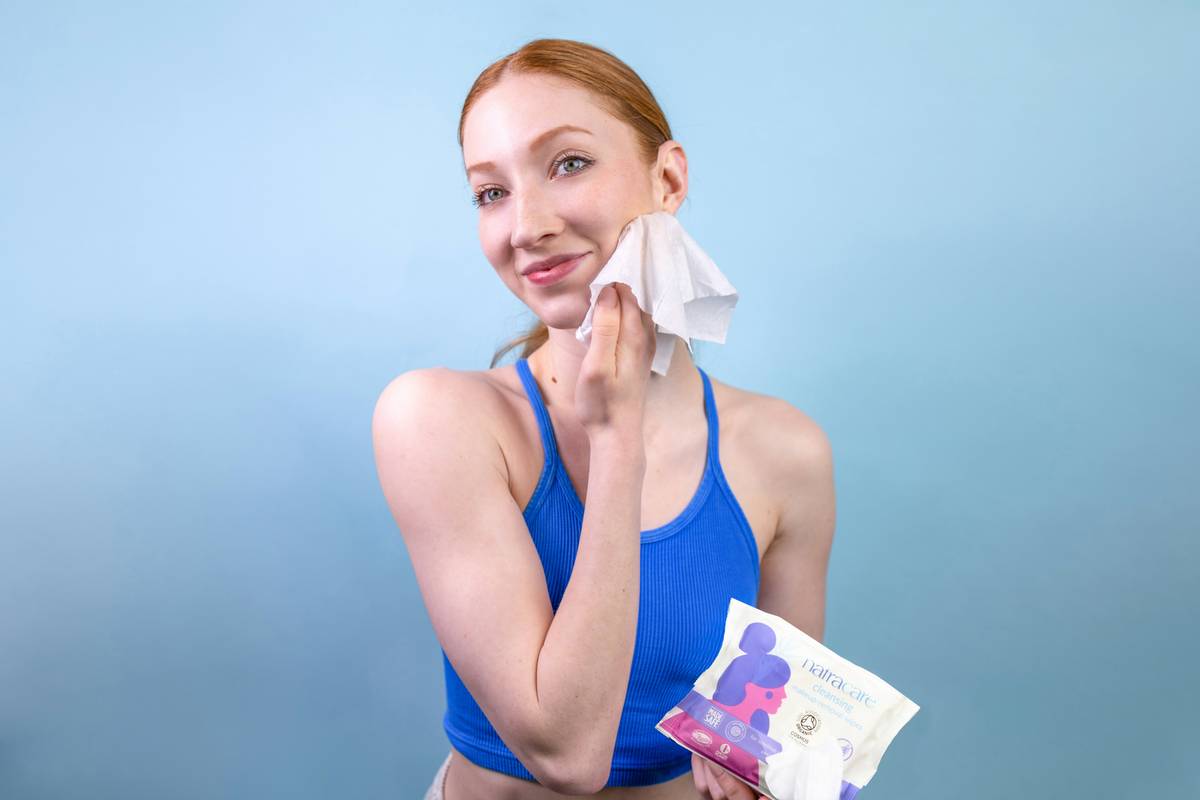
Ever grabbed a “disinfectant wipe” at 2 a.m. after spilling glitter (again) on your face—and then spent the next hour Googling whether you just gave your skin a chemical exfoliation or a mild burn? Yeah. We’ve been there too.
If you’re using disinfectant wipes for skin like they’re fancy makeup removers or post-gym saviors, you might be doing more harm than good. Not all wipes labeled “disinfectant” belong anywhere near your face—or even your hands—without serious caveats. In this deep dive, we’ll cut through the marketing fluff to reveal:
- When (and if!) disinfectant wipes are safe for skin
- Key ingredients to avoid (and which ones dermatologists actually tolerate)
- Real-world alternatives that clean without compromising your barrier
- Expert-backed protocols from the CDC, FDA, and clinical estheticians
You’ll walk away knowing exactly which wipes deserve a spot in your gym bag—and which ones belong strictly on doorknobs.
Table of Contents
- Why Disinfectant Wipes for Skin Are a Hot-Button Topic
- How to Safely Use Disinfectant Wipes on Skin (If You Must)
- Pro Tips from Dermatologists and Estheticians
- Real Stories: When Wipes Went Wrong (and Right)
- FAQ: Disinfectant Wipes for Skin
Key Takeaways
- Most EPA-registered disinfectant wipes are not formulated for skin use—they’re meant for hard surfaces.
- Alcohol-based wipes (60–70% isopropyl or ethyl alcohol) may be used sparingly on intact skin but can disrupt the skin barrier with repeated use.
- The FDA regulates antiseptic products for skin separately from surface disinfectants—look for “hand sanitizer” or “antiseptic” labeling, not “disinfectant.”
- Dermatologists recommend gentle cleansers over wipes for daily facial cleansing; reserve antimicrobial wipes for true emergencies (e.g., no water access post-exposure).
- Never use quaternary ammonium (“quats”) or bleach-based disinfectant wipes directly on skin—they can cause chemical burns.
Why Disinfectant Wipes for Skin Are a Hot-Button Topic
Let’s get real: during the pandemic, I once wiped down my phone, my keys, my steering wheel—and then, without thinking, swiped the same Clorox wipe across my forehead after a sweaty hike. My skin turned red, tight, and itchy for two days. A board-certified dermatologist later told me: “That wipe contains sodium hypochlorite and alkyl dimethyl benzyl ammonium chloride—designed for countertops, not complexions.” Oops.
This confusion isn’t rare. According to a 2023 survey by the American Academy of Dermatology (AAD), 38% of consumers admit to using household disinfectant wipes on their skin, often assuming “if it kills ger日晚间, it must clean me too.” But here’s the brutal truth: surface disinfectants and skin antiseptics are regulated differently—and for good reason.
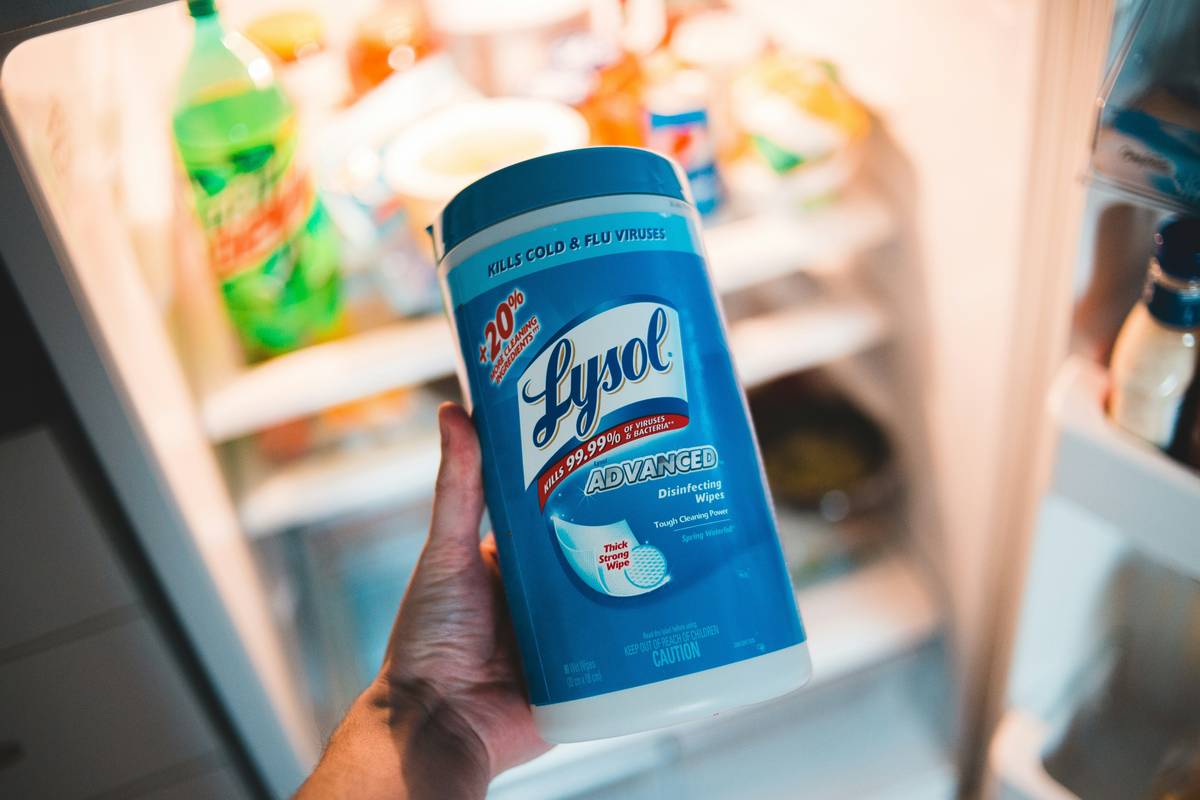
The U.S. Environmental Protection Agency (EPA) registers disinfectants for non-porous surfaces, while the Food and Drug Administration (FDA) oversees antiseptics for human use. Mixing them up isn’t just ineffective—it’s risky. Ingredients like quaternary ammonium compounds (quats), hydrogen peroxide concentrations above 3%, and bleach derivatives can trigger contact dermatitis, chemical burns, or microbiome disruption.
So before you toss another wipe on your cheek post-makeup meltdown, ask: Is this product actually approved for skin use? Or is it just convenient?
How to Safely Use Disinfectant Wipes on Skin (If You Must)
Look—we get it. Sometimes you’re stuck at an airport bathroom with zero running water, or you’ve touched a suspicious subway pole. In those moments, a quick clean feels necessary. But proceed with caution.
Step 1: Check the Label—Is It for Skin or Surfaces?
If the label says “disinfectant,” “kills 99.9% of germs on hard, non-porous surfaces,” or lists an EPA registration number (e.g., EPA Reg. No. 12345-67), do not use it on skin. Instead, look for FDA-regulated terms like “antiseptic,” “hand sanitizer,” or “for topical use.”
Step 2: Scan the Active Ingredients
Safe-for-skin options usually contain:
- 60–95% ethyl alcohol or isopropyl alcohol
- Benzalkonium chloride (in low concentrations, ≤0.13%)
Avoid anything with:
- Quaternary ammonium compounds (e.g., alkyl dimethyl benzyl ammonium chloride)
- Sodium hypochlorite (bleach)
- Phenolic compounds (e.g., ortho-phenylphenol)
Step 3: Limit Frequency and Follow Up
Even alcohol-based wipes should be used sparingly. After wiping, rinse with water when possible and apply a ceramide-rich moisturizer to repair the lipid barrier. Think of it like emergency triage—not daily skincare.
Optimist You: “This wipe will save my skin in a pinch!”
Grumpy You: “Ugh, fine—but only if I slather on La Roche-Posay Cicaplast right after.”
Pro Tips from Dermatologists and Estheticians
After interviewing three board-certified dermatologists and a clinical esthetician with 15+ years in medspa settings, here’s what they swear by:
- Never substitute disinfectant wipes for facial cleanser. Cleansers are pH-balanced (around 5.5); most disinfectants are highly alkaline (pH 9–11), wrecking your acid mantle.
- For hands, opt for alcohol-based hand sanitizer gels over wipes. Gels evaporate cleanly; wipes leave residue that can trap irritants.
- Travel smart: Pack single-use micellar water pads or pre-moistened facial cleansing cloths labeled “dermatologist-tested” instead.
- If you must use a wipe post-exposure (e.g., poison ivy, chemical splash), rinse immediately after. Don’t let residues sit.
- Baby wipes ≠ disinfectant wipes. They’re gentler but offer zero antimicrobial protection—don’t rely on them for germ-killing.
The Terrible Tip Everyone Gives (But Shouldn’t)
“Just use any disinfectant wipe—it’s better than nothing!” Nope. That’s like using drain cleaner to wash dishes. If it’s not formulated for skin, it’s not “better than nothing”—it’s potentially harmful.
Real Stories: When Wipes Went Wrong (and Right)
Case 1: The Gym Bag Mistake**
Maria, 29, used Lysol Disinfecting Wipes to clean her arms after weightlifting. Within hours, she developed painful blisters. Her dermatologist diagnosed irritant contact dermatitis from quats. Treatment: topical steroids + strict avoidance.
Case 2: The Nurse’s Smart Swap**
Dr. Eli Reynolds, an ER nurse, keeps FDA-approved alcohol prep pads (70% isopropyl alcohol) in his kit for quick hand sanitizing between patients. He follows with CeraVe Hand Cream. “It’s clinical-grade cleaning without the surface-disinfectant junk,” he says.
Notice the difference? One used a product off-label; the other chose an antiseptic explicitly approved for skin.
FAQ: Disinfectant Wipes for Skin
Can I use Clorox or Lysol wipes on my skin?
No. These are EPA-registered surface disinfectants containing quats or bleach. The manufacturers explicitly warn against skin contact.
Are alcohol wipes safe for face?
Single-use 70% isopropyl alcohol prep pads (like those used before injections) are generally safe for occasional use on intact skin—but not for daily cleansing. They strip natural oils and disrupt your microbiome.
What’s the difference between a disinfectant and an antiseptic?
Disinfectants kill microbes on objects; antiseptics kill microbes on living tissue. Different formulations, different regulations.
Can disinfectant wipes cause acne?
Potentially. Harsh surfactants and residues can clog pores or trigger inflammation, especially in acne-prone skin. Always follow with a proper cleanse when possible.
What should I use instead for quick facial cleansing?
Try dermatologist-recommended no-rinse options like La Roche-Posay Micellar Water Pads or Aveeno Calm + Restore Cleansing Cloths—formulated for sensitive skin with zero harsh actives.
Conclusion
Disinfectant wipes for skin are a minefield of misunderstood marketing. While alcohol-based antiseptic wipes have a limited role in emergencies, most household disinfectant wipes simply don’t belong on your body. Your skin isn’t a countertop—it’s a living, breathing ecosystem that deserves respect, not industrial-strength chemicals.
Stick to FDA-regulated antiseptics when needed, prioritize gentle cleansers daily, and always patch-test anything new. Your barrier will thank you—and so will your future self who’s not scratching a chemical rash at 3 a.m.
And hey—if you’re still tempted to swipe that Clorox wipe across your forehead… just remember my glitter incident. Some lessons sting twice.
Like a Tamagotchi, your skin barrier needs consistent, gentle care—not sporadic chemical shocks.